The Downsides of Rigid Thermofoil (RTF) Cabinets: What Homeowners Should Know
Rigid Thermofoil (RTF) cabinets are often marketed as an affordable, low-maintenance option for kitchens and bathrooms. While they may look appealing at first, many homeowners discover significant drawbacks over time—especially in real-world kitchens where heat, moisture, and daily use are unavoidable.
At Refaceful, we frequently work with homeowners who are frustrated by failing thermofoil cabinets and looking for longer-lasting alternatives. Here’s what you should know before choosing—or replacing—RTF cabinetry.
What Are Rigid Thermofoil Cabinets?
RTF cabinets are made by vacuum-sealing a thin vinyl layer over an engineered wood core, typically MDF. The surface is heat-bonded to create a smooth, seamless finish that mimics painted or laminated cabinets.
While this process keeps costs down, it also introduces some serious long-term issues.
Heat Damage Is One of the Biggest Problems
Heat is the number-one enemy of thermofoil cabinets—and kitchens generate a lot of it.
Common heat sources include:
- Ovens and ranges
- Dishwashers
- Coffee makers and air fryers
- Sunlight through nearby windows
Over time, heat weakens the adhesive holding the thermofoil to the cabinet doors. Once that bond fails, the damage is permanent.
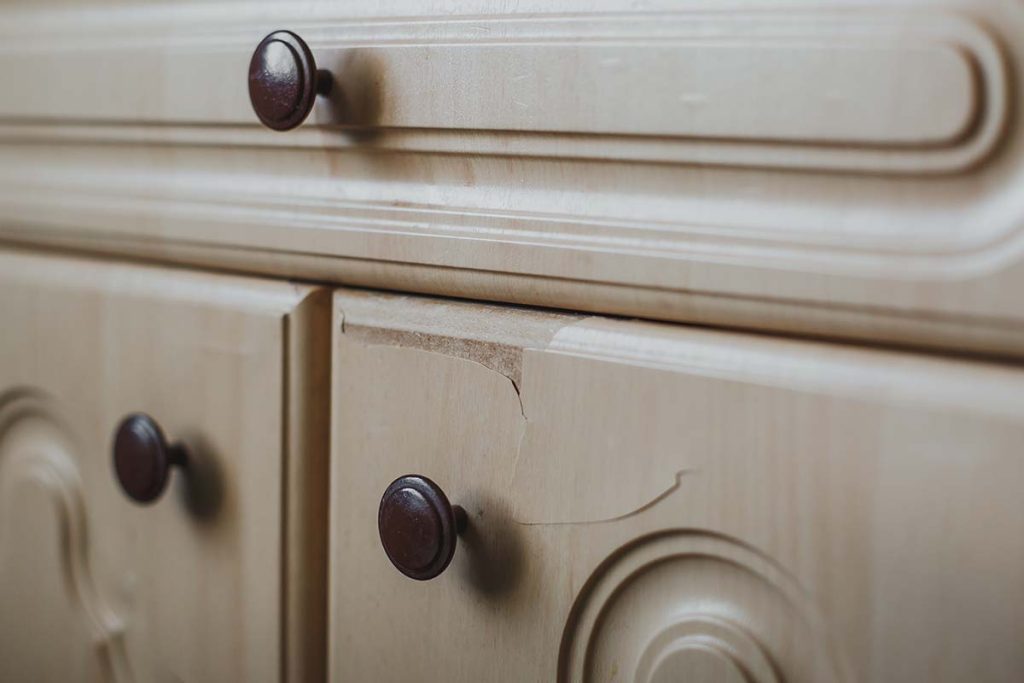
This results in warping, bubbling, and edges that begin to lift or curl.
Peeling and Delamination Are Inevitable
One of the most common complaints about RTF cabinets is peeling—especially around:
- Door edges
- Corners
- Near appliances
Once the thermofoil begins to peel or delaminate, it cannot be repaired. Re-gluing is rarely successful, and manufacturers typically do not warranty heat-related or other failures due to general wear (such as opening and closing your cabinets).
This means homeowners are often forced to replace doors far sooner than expected.
Limited Lifespan Compared to Other Options
While RTF cabinets may look good initially, their lifespan is often much shorter than wood, laminate, or professionally refaced cabinets.
Typical issues appear within:
- 5–10 years in high-use kitchens
- Even sooner in homes with frequent cooking or heat exposure
For homeowners planning to stay in their home long-term, this can make thermofoil a costly “short-term savings” choice.
Susceptible to Moisture Damage
Because RTF cabinets use MDF cores, moisture exposure is another major concern. Even small amounts of water intrusion can cause:
- Swelling beneath the thermofoil
- Surface rippling
- Adhesive breakdown
Once moisture penetrates the vinyl layer, the cabinet door is compromised.
Difficult (or Impossible) to Refinish
Unlike wood or high-quality laminate cabinets, thermofoil:
- Cannot be sanded properly
- Does not hold paint well
- Cannot be refinished once damaged
This severely limits future design updates and often leaves replacement as the only option.
A Better Alternative to RTF Cabinets
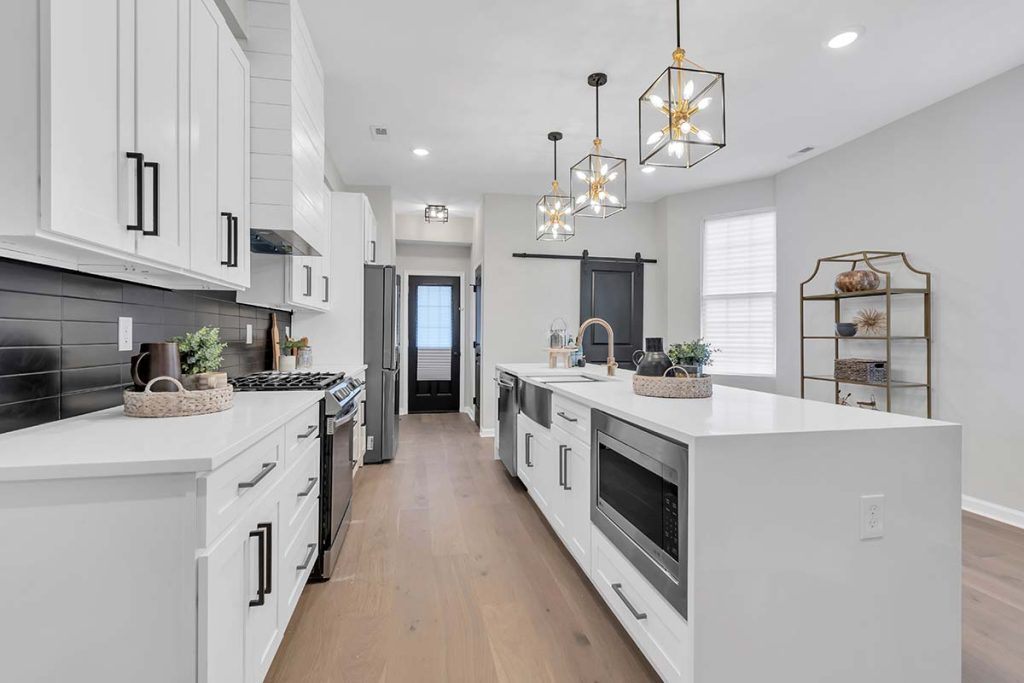
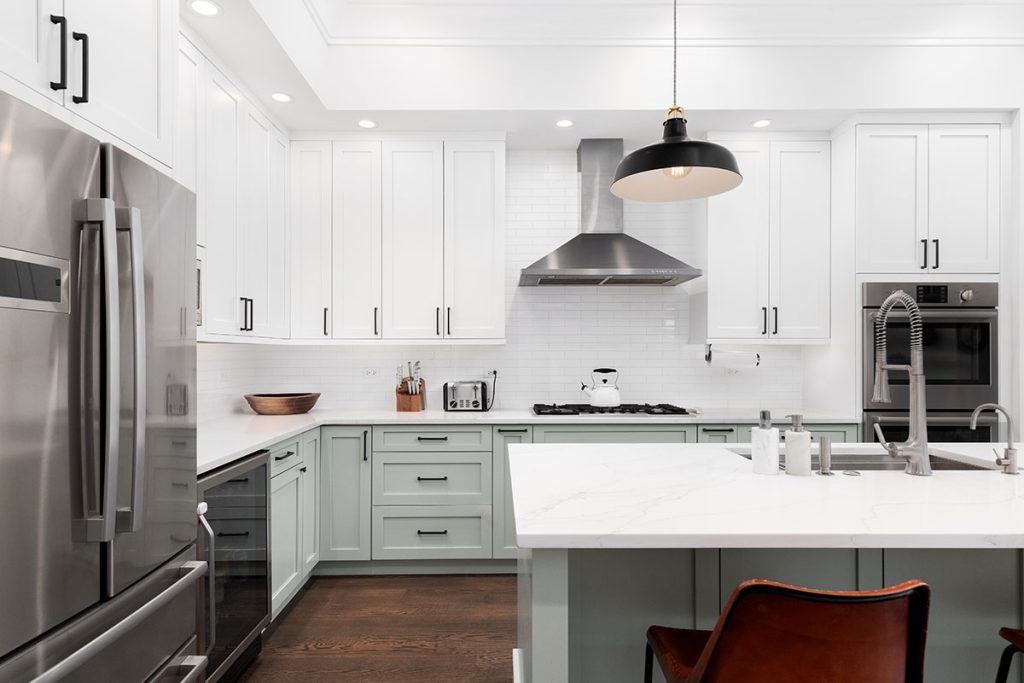
If your thermofoil cabinets are peeling, bubbling, or failing from heat exposure, cabinet refacing with higher-quality materials is often the smarter solution.
At Refaceful, we replace failing thermofoil doors with durable, heat-resistant finishes designed to withstand real kitchen conditions—without the cost and disruption of a full remodel.
Final Thoughts
Rigid Thermofoil cabinets may offer short-term affordability, but their vulnerability to heat damage, peeling, moisture issues, and limited lifespan makes them a risky choice for many kitchens.
Before investing in new cabinets—or if your current thermofoil cabinets are already failing—it’s worth exploring options built to last.
Refaceful has been helping Northern Nevada homeowners upgrade their cabinets with confidence for decades—because your kitchen should hold up to real life, not peel away from it.